In a November 24, 2026, article, Curve Finance and Yield Basis founder Michael Egorov argued that on-chain foreign exchange could grow from everyday conversions rather than waiting for banks to bring institutional FX markets onto blockchains. It is a case for how the market might develop, not evidence that on-chain FX has reached institutional scale.
The activity behind the argument
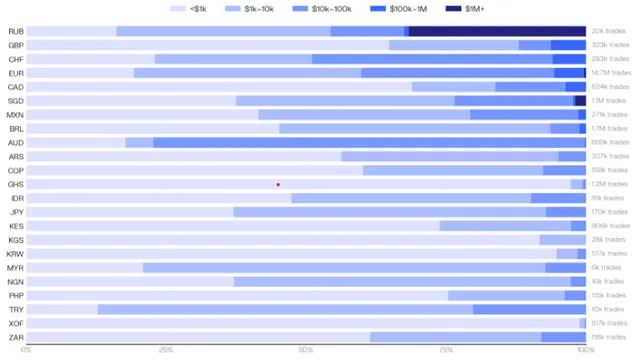
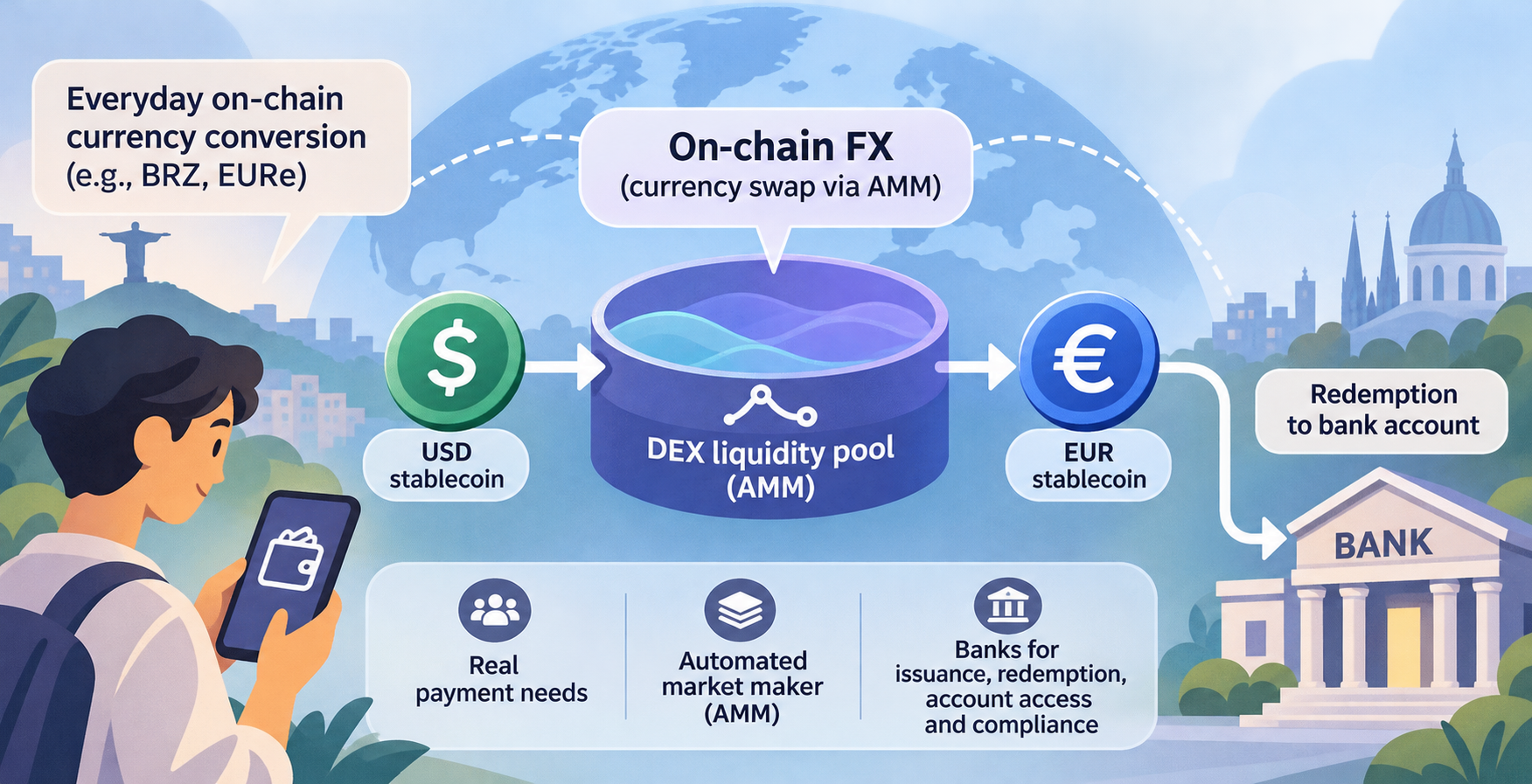
Egorov pointed to stablecoins such as Brazil’s BRZ and Monerium’s EURe, which users can exchange in decentralized-exchange pools and redeem into bank accounts. Citing Keyrock data, he said most on-chain stablecoin trades involving emerging-market currencies were between $1,000 and $10,000. His interpretation is that smaller transactions can serve real payment needs even before a market has deep institutional liquidity.
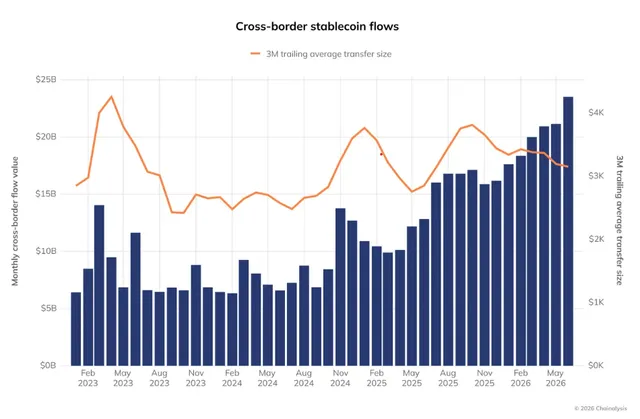
He also cited Chainalysis data showing that cross-border stablecoin activity had grown nearly 80% year over year. That figure concerns stablecoins broadly; it does not establish that on-chain FX will follow the same growth path.
What still has to work
Egorov argued that automated market makers could support smaller currency-swap pools when traditional market makers might find them uneconomic. But he acknowledged that demand alone does not solve the liquidity problem: pools must also be economically sustainable.
He described direct stablecoin swaps as a potentially faster, cheaper option for customers whose funds are already on-chain, contrasting them with card-network conversions that he said can carry fees of about 1%. Those comparisons are his claims, not a demonstrated saving for every transaction. Banks, he added, would likely remain important for issuance, redemption, account access and compliance.
The distinction is between a use case and a proven market trajectory. The cited trade sizes show activity at a modest scale; they do not show that on-chain FX can yet rival the global FX market.