As reported on December 15, 2025, a change to swaps on aave.com had become a wider Aave governance dispute: when a company builds a product around a DAO-governed protocol, who should receive the revenue it generates?
On December 4, Aave Labs changed the site’s default swap integration from ParaSwap to CoWSwap. Under the previous arrangement, referral fees and positive-slippage surplus went to the Aave DAO treasury. Aave documentation cited in the report said the new swaps carried fees of roughly 15–25 basis points. Orbit delegate EzR3aL said an investigation found that those fees went instead to an address controlled by Aave Labs. EzR3aL estimated that if $200,000 a week were redirected, the DAO would forgo at least $10 million a year. That figure is a hypothetical annual estimate, not a reported loss.
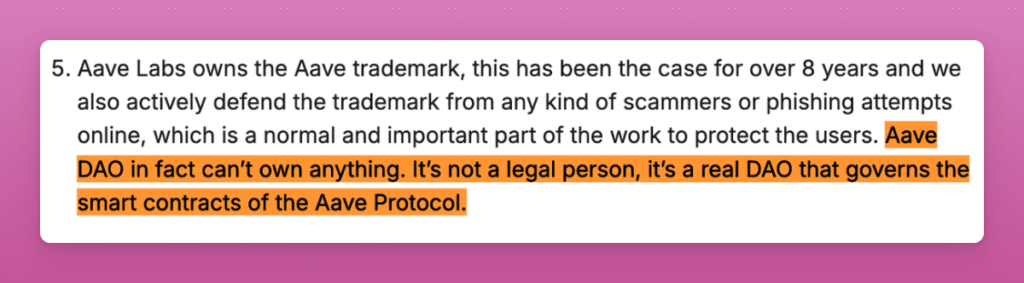
Aave Labs draws a distinction between the protocol and aave.com. It said it operates the frontend independently of DAO governance and regards it as a product, not a protocol component. Aave founder and CEO Stani.eth said Labs had previously chosen to donate certain swap proceeds to the DAO, rather than being permanently required to do so.
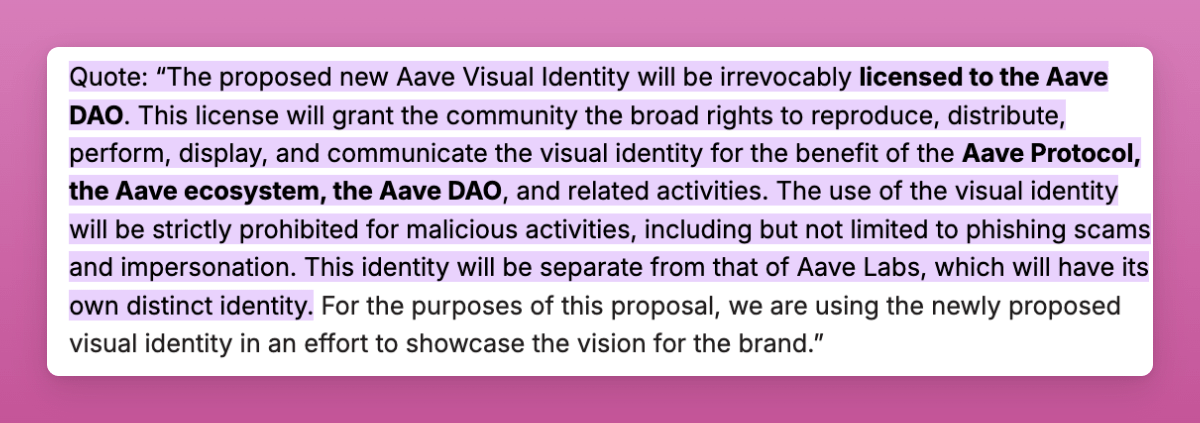
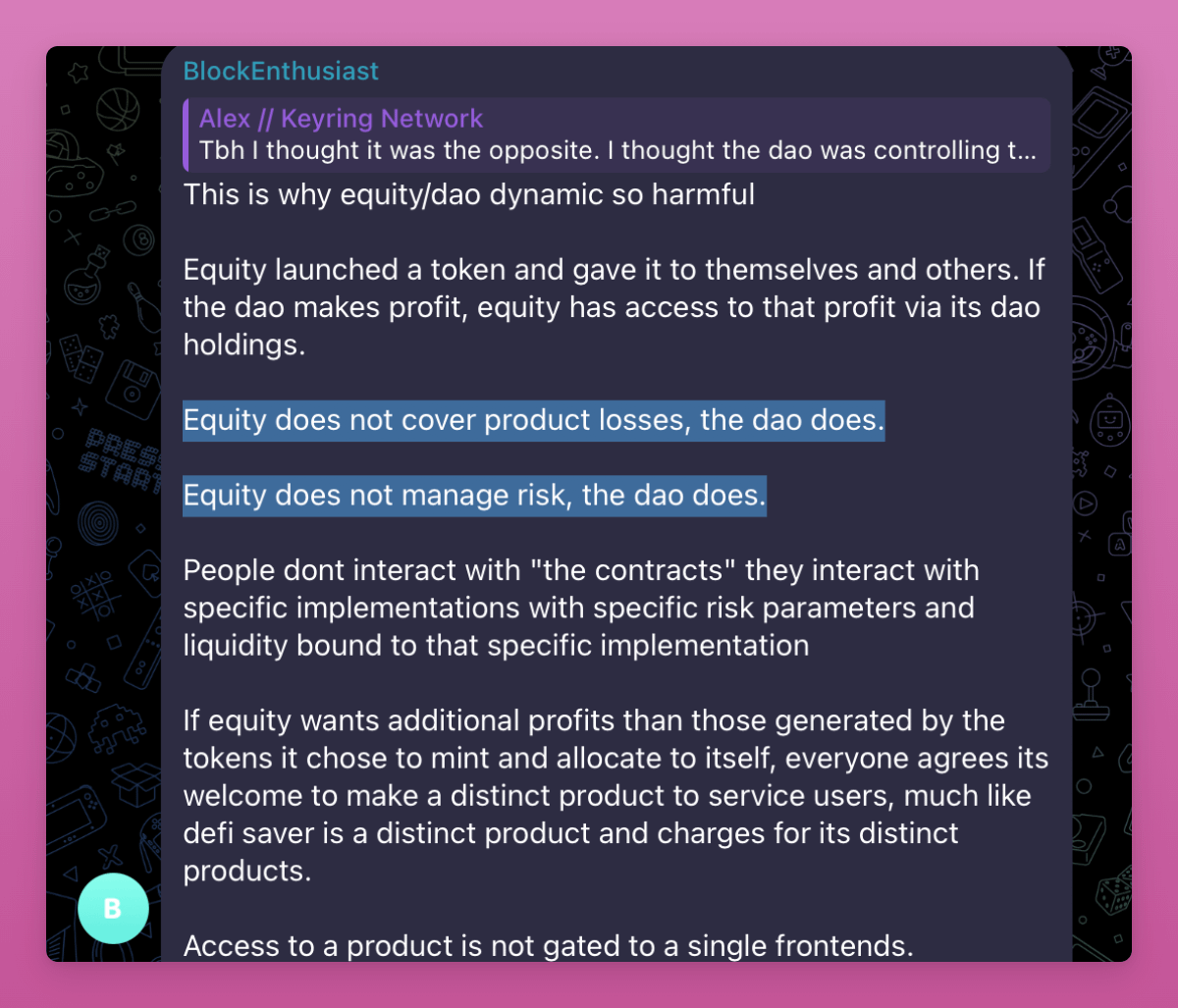
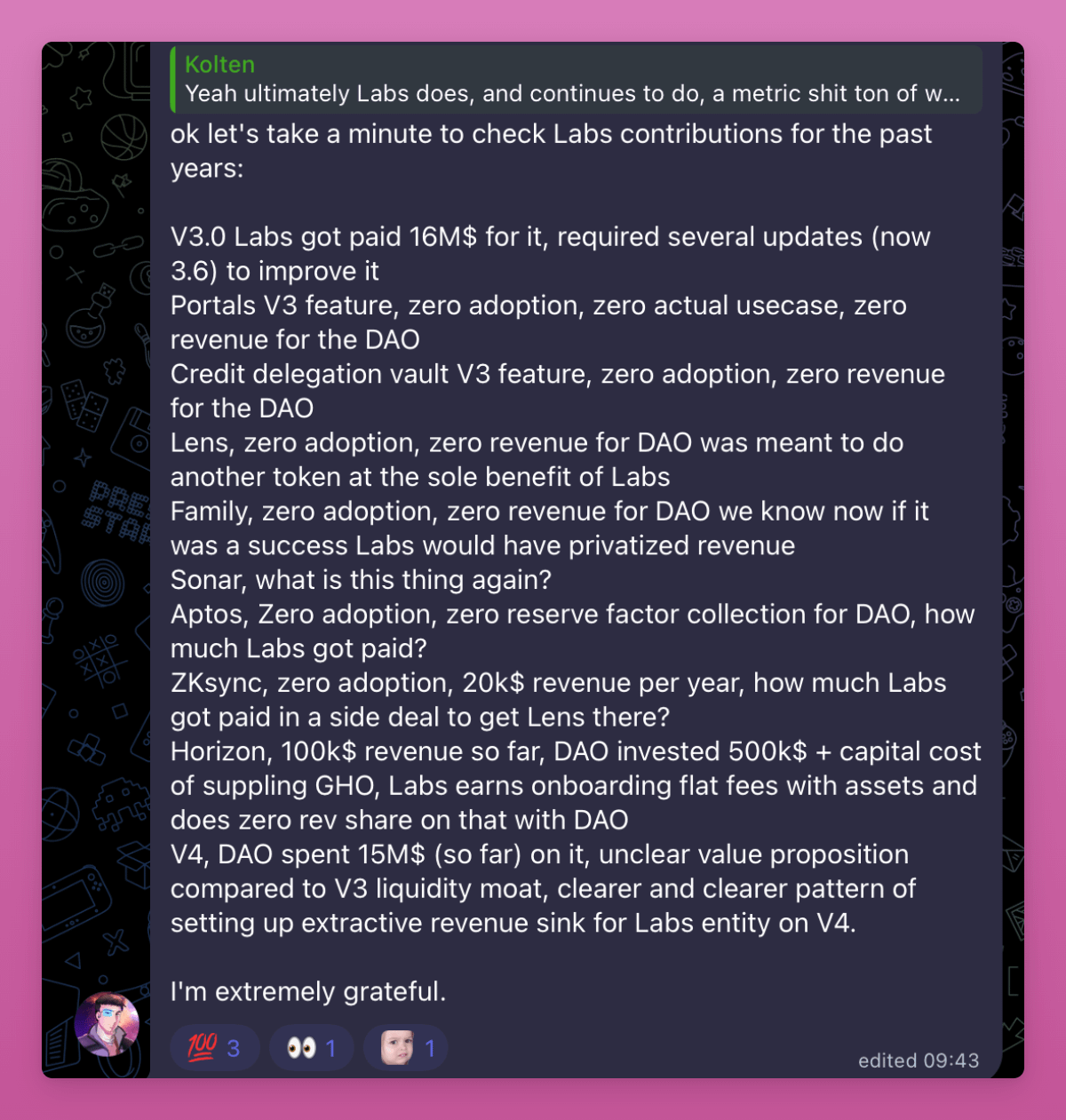
Critics dispute what that distinction should mean for revenue. ACI founder Marc Zeller argued that DAO-paid service providers owe duties to the DAO and AAVE holders. He also claimed the routing decision could cost the DAO revenue, including roughly 10% of potential revenue through volume directed to competitors. Those are his claims, not established losses. The report also noted that the DAO has permission to use Aave branding for protocol-related purposes, while presenting Labs’ position that the DAO does not own the underlying intellectual property.
Why the argument spread beyond swaps
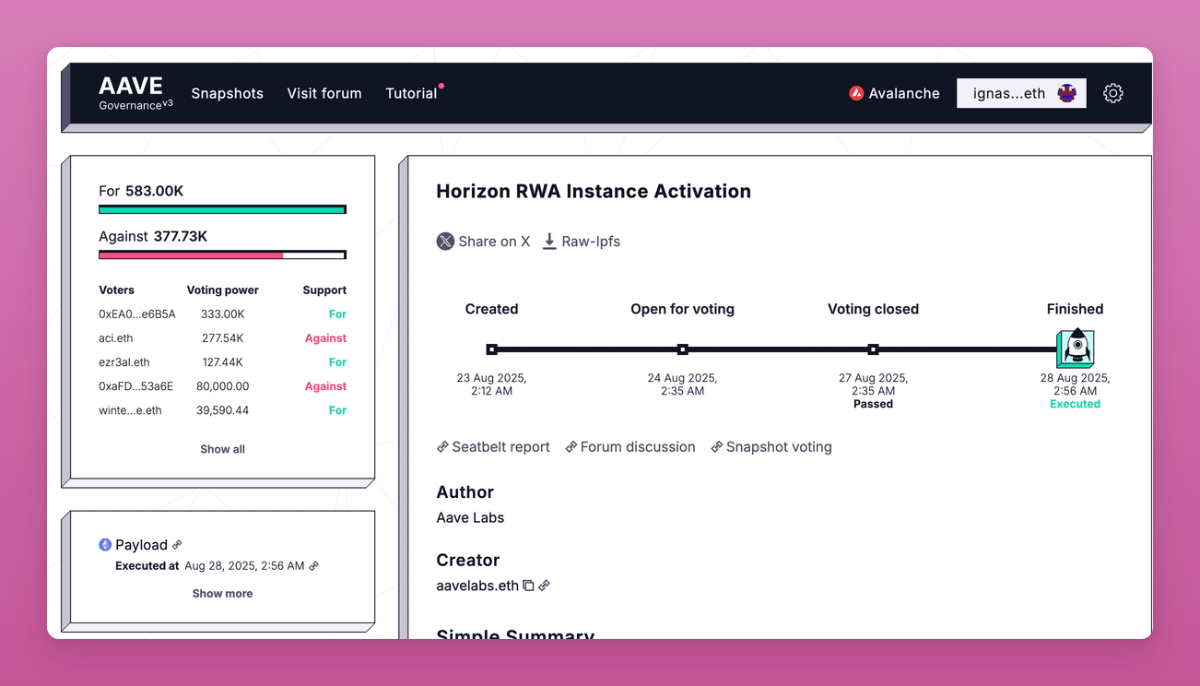
The report connected the fee dispute to other contested Aave initiatives. For Horizon, an RWA-focused deployment, an initial proposal for a separate token was dropped after opposition; Horizon subsequently launched despite objections. Citing Zeller, the report said Horizon had generated about $100,000 in gross revenue against $500,000 in DAO incentives at that point. Zeller also raised concerns about the costs of GHO allocated to Horizon. These figures and concerns were part of his case about the DAO’s economics, not a complete accounting of the project.
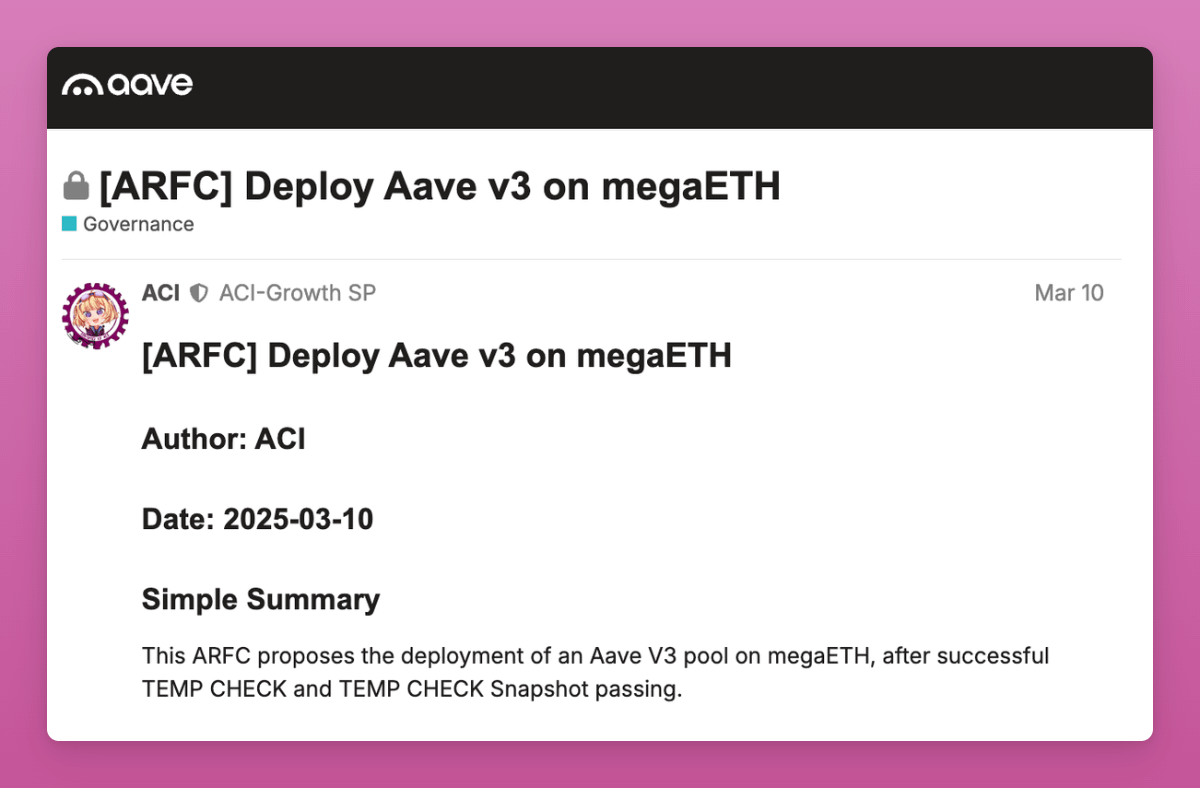
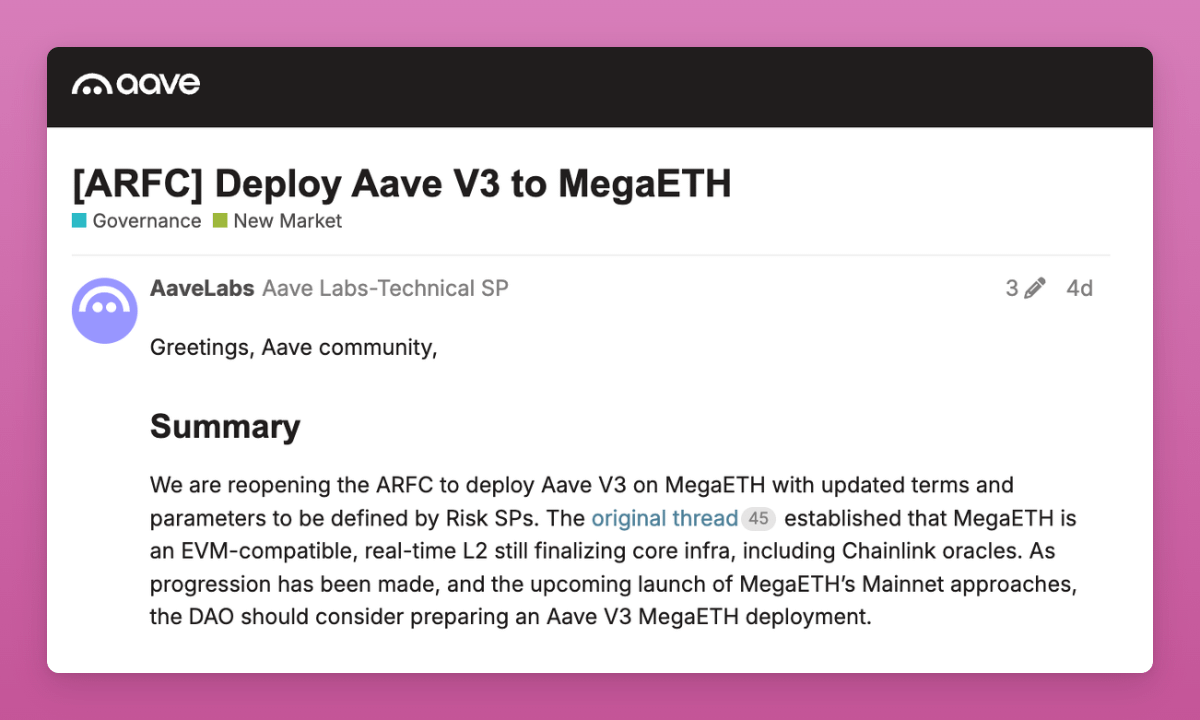
A separate proposal to deploy Aave V3 on MegaETH said Aave Labs would receive 30 million MegaETH points, which might be distributed as incentives under the DAO’s go-to-market strategy. Zeller objected that a DAO discussion about a MegaETH deployment was already underway when Labs brought forward its proposal.
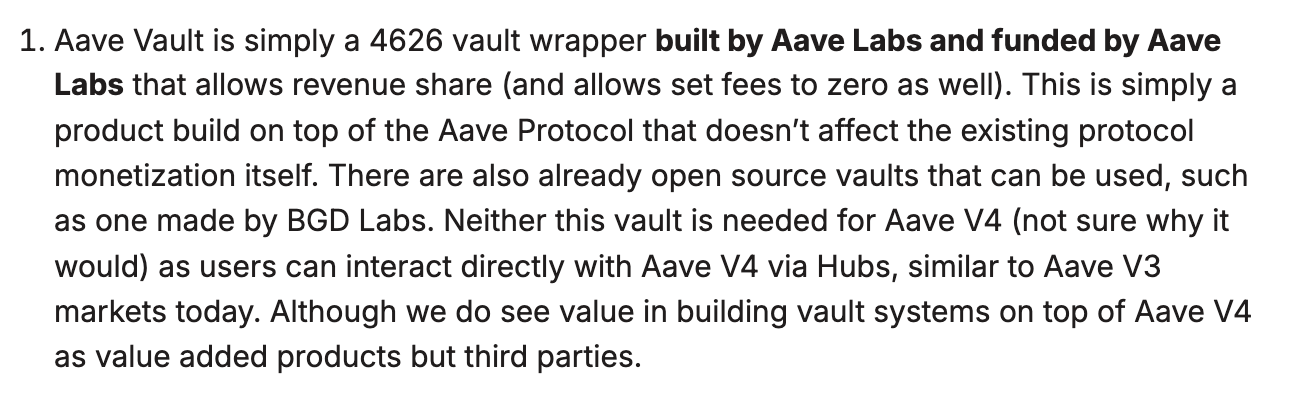
Aave Labs also described its Aave vaults as optional ERC-4626 products it built and funded, rather than required protocol components. The concern raised in the report was prospective: if Labs-operated vaults became the default route into a future Aave V4 experience, they could collect product-level fees while drawing on the protocol’s established reputation. The report did not establish that this had happened.
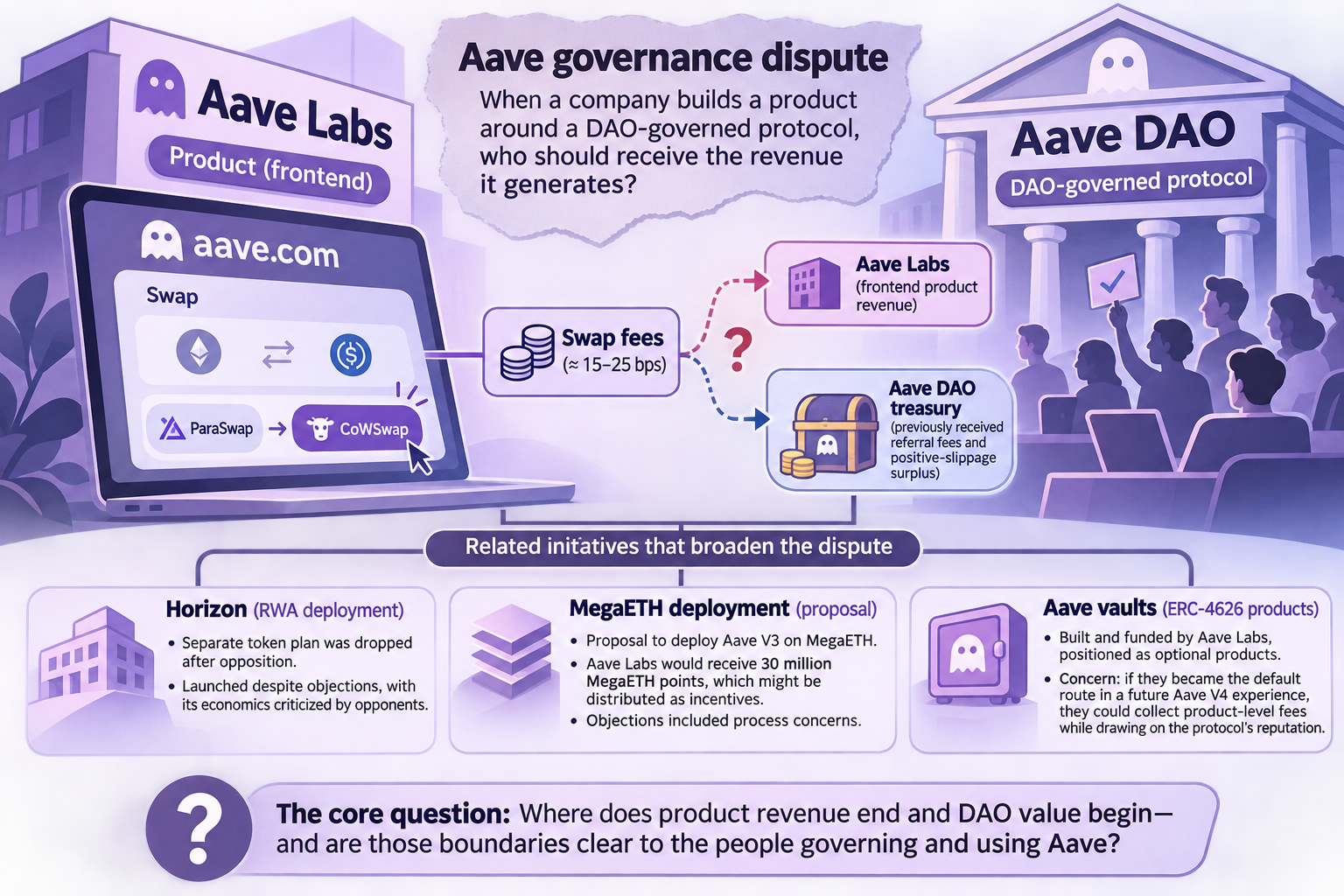
The common question is not whether a frontend, vault or deployment proposal exists. It is where product revenue ends and DAO value begins—and whether those boundaries are clear to the people governing and using Aave.