Compound is putting a two-year, $52 million budget behind a shift toward institutional lending. In reporting published on August 18, 2026, PANews said attention around the strategy on August 17 coincided with a brief rise of more than 10% in COMP. That price move does not establish whether institutions will adopt the planned products.
The budget is approved; the products are not yet delivered
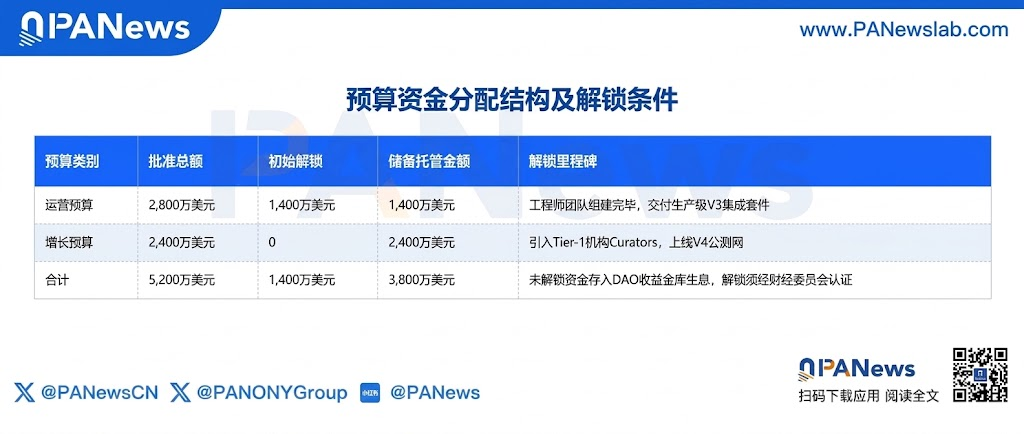
Compound DAO approved the budget in May 2026 by 1.88 million votes to none, according to PANews. An initial $14 million was allocated to the Compound Foundation’s multisignature wallet. The remaining $38 million was placed in a project reserve overseen by a seven-member committee requiring five signatures. Further funding is tied to milestones, including a production-grade V3 integration kit, the recruitment of major institutional curators and a Compound V4 public testnet. PANews also reported that the DAO consolidated more than $57 million in previously dispersed assets into a custody pool.
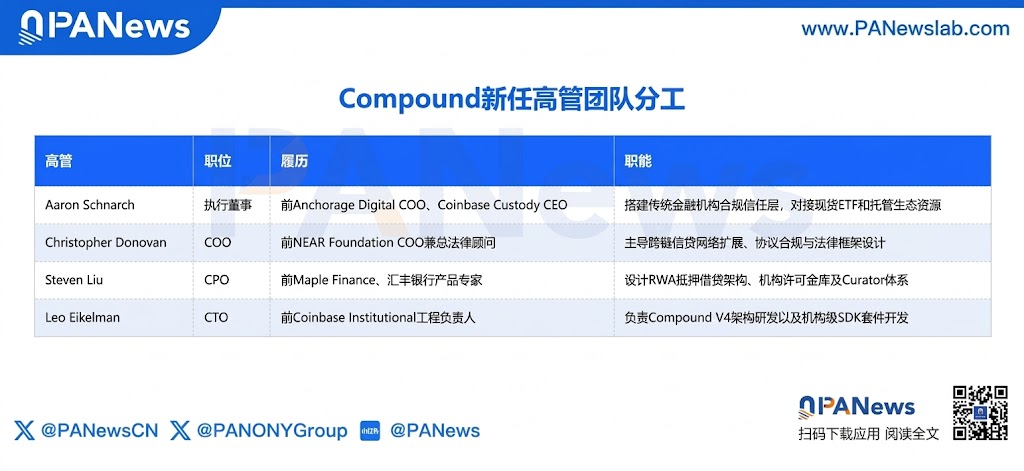
The Foundation’s new leadership includes executive director Aaron Schnarch, formerly of Anchorage Digital and Coinbase Custody; COO Christopher Donovan, formerly of NEAR Foundation; CPO Steven Liu, formerly of Maple Finance and HSBC; and CTO Leo Eikelman, formerly of Coinbase Institutional. Their appointments support the institutional strategy, but their prior experience is not evidence that it will succeed.
Why Compound is changing course
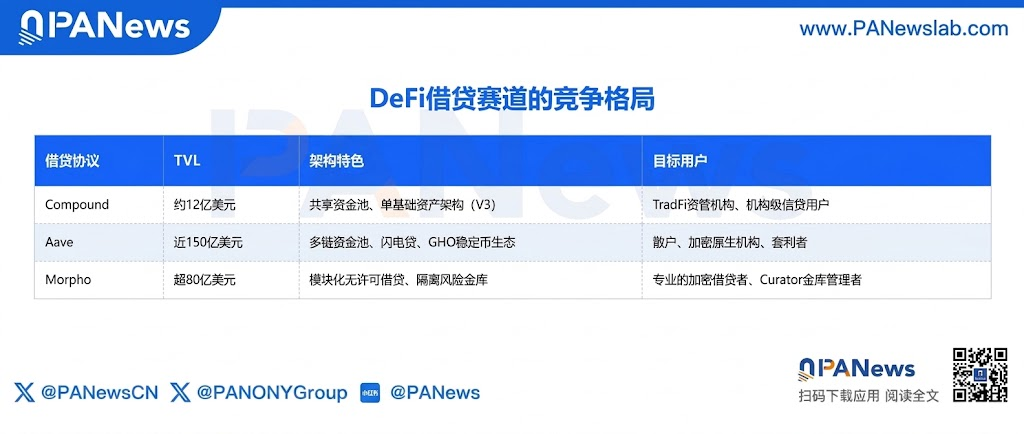
PANews put Compound’s deposits at about $1.2 billion, down from a peak of $12 billion. For comparison, it reported nearly $15 billion in deposits at Aave and more than $8 billion at Morpho. Against that backdrop, Compound’s planned V4 features target institutions rather than relying solely on competition for retail borrowers.
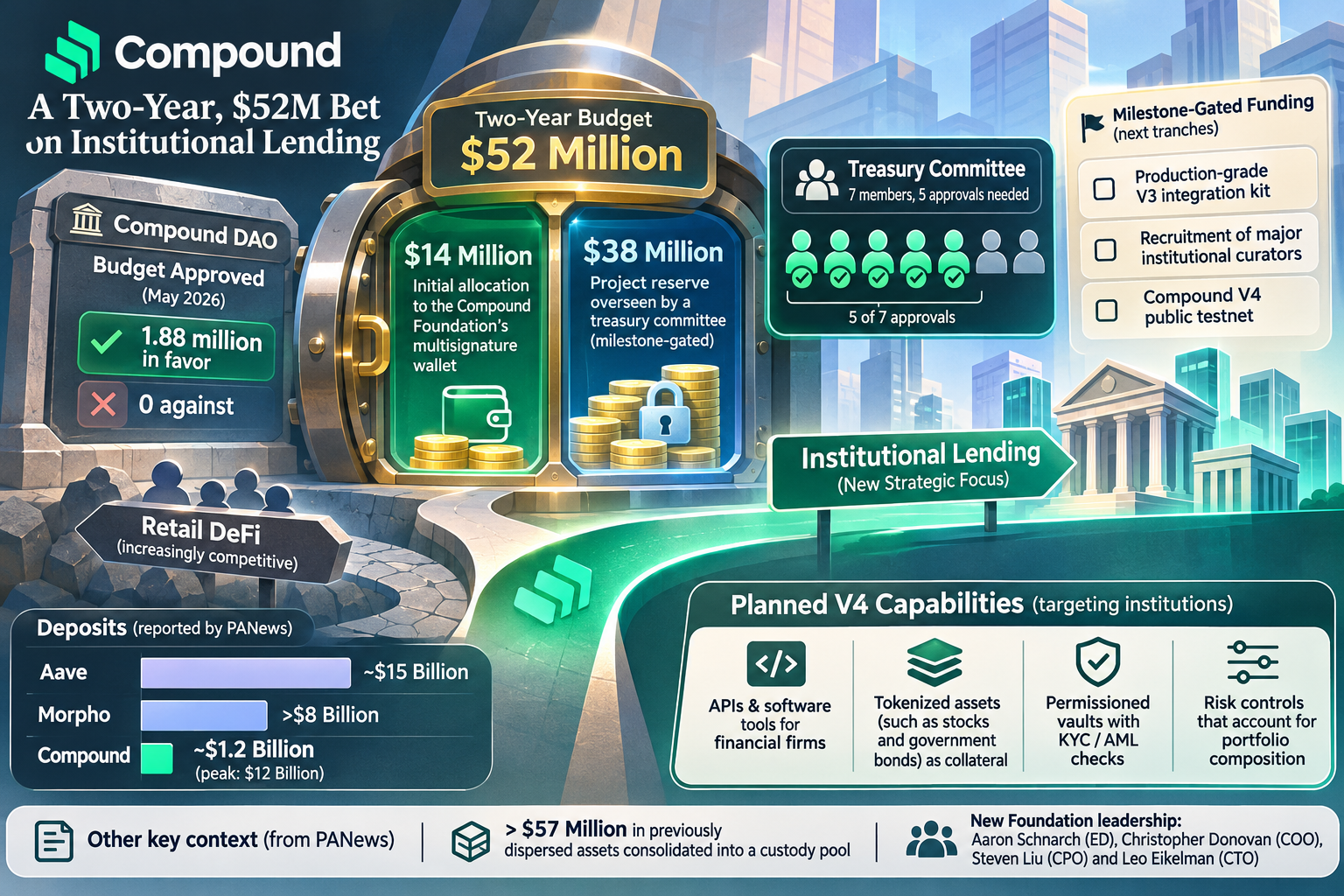
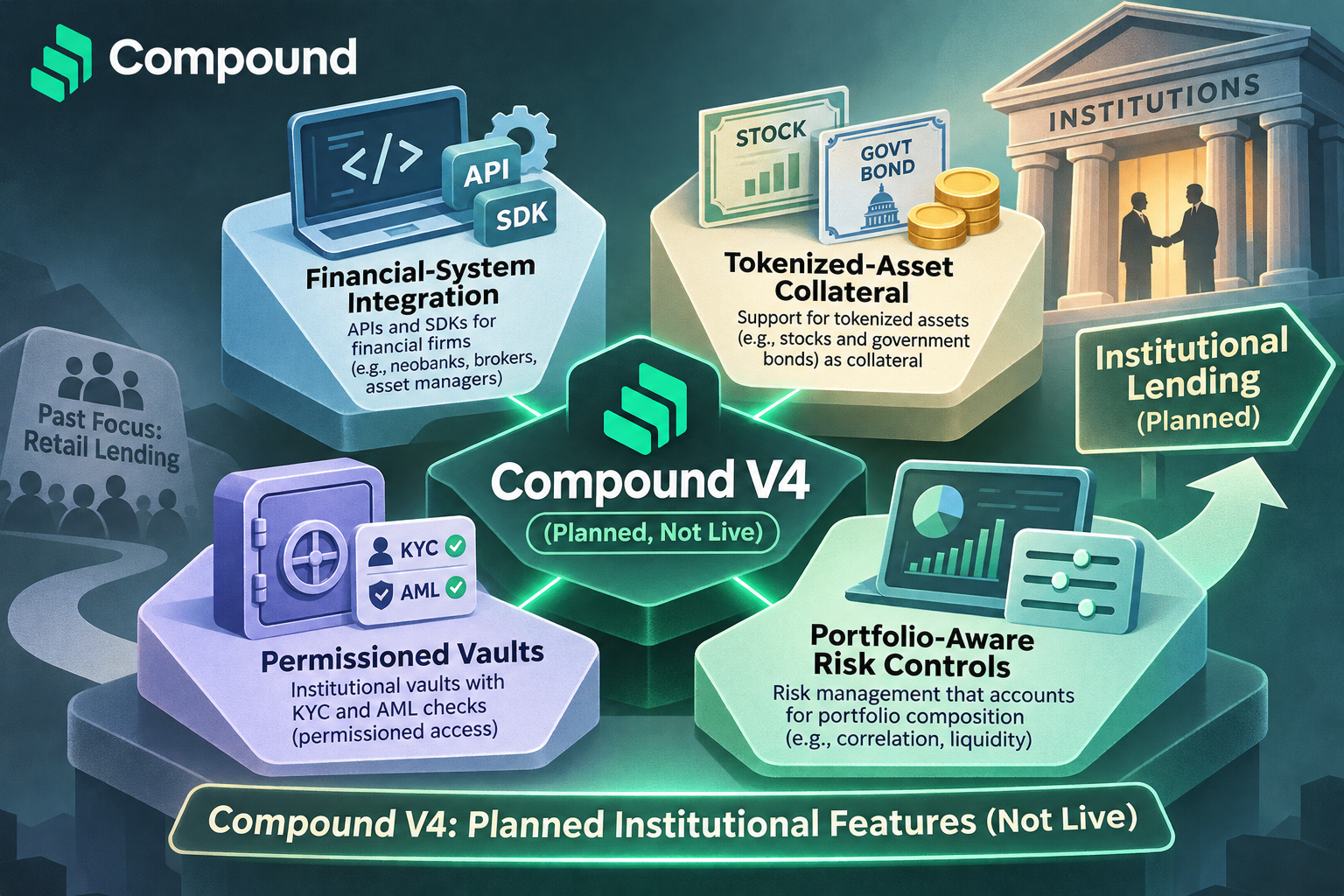
Those plans include APIs and software tools for financial firms, support for tokenized assets such as stocks and government bonds as collateral, permissioned vaults with KYC and AML checks, and risk controls that account for portfolio composition. These are proposed capabilities, not evidence of a live institutional lending business.
The open question is whether Compound can turn the budget and roadmap into customers, assets and revenue. PANews also noted the trade-off: permissioned access and third-party risk controls may alienate users who value open, permissionless lending, while institutional expansion can take time and money.