This article reflects reporting published on December 23, 2025.
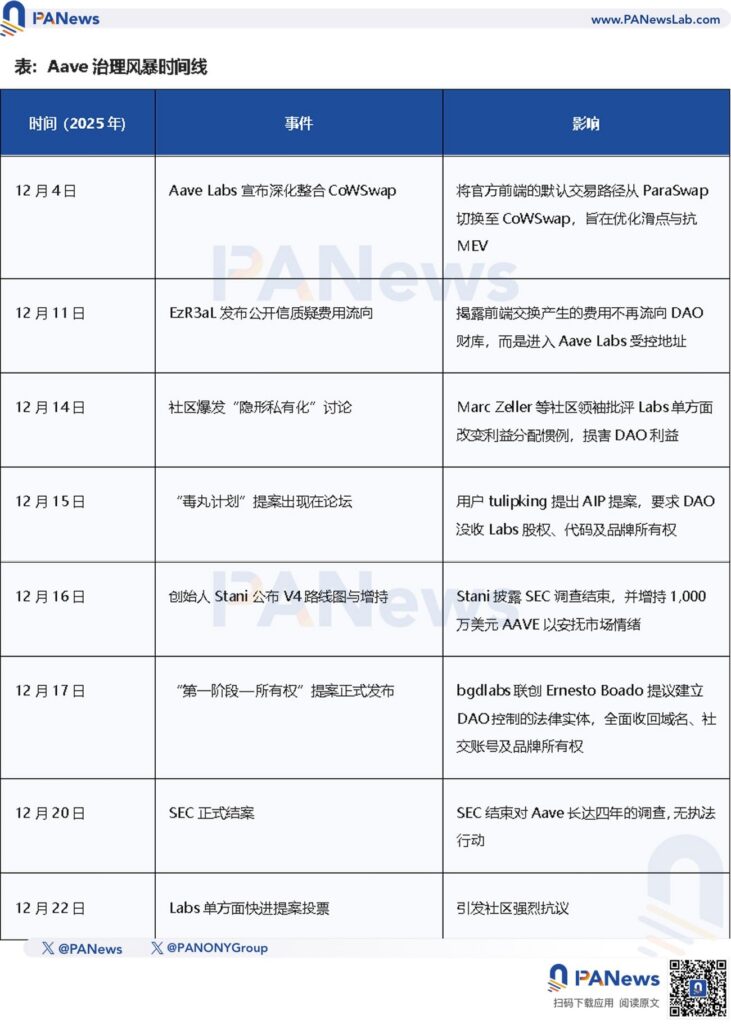
Aave’s governance dispute began with a change to its user-facing app. On December 4, Aave Labs said it was replacing ParaSwap with CoWSwap for swaps on app.aave.com, citing better prices and protection against MEV. Community representative EzR3aL later said on-chain tracking showed fees from those swaps flowing to an address controlled by Labs rather than the Aave DAO treasury. Based on historical figures, EzR3aL estimated the potential lost revenue at up to $10 million a year. That figure is an estimate, not a confirmed annual loss.
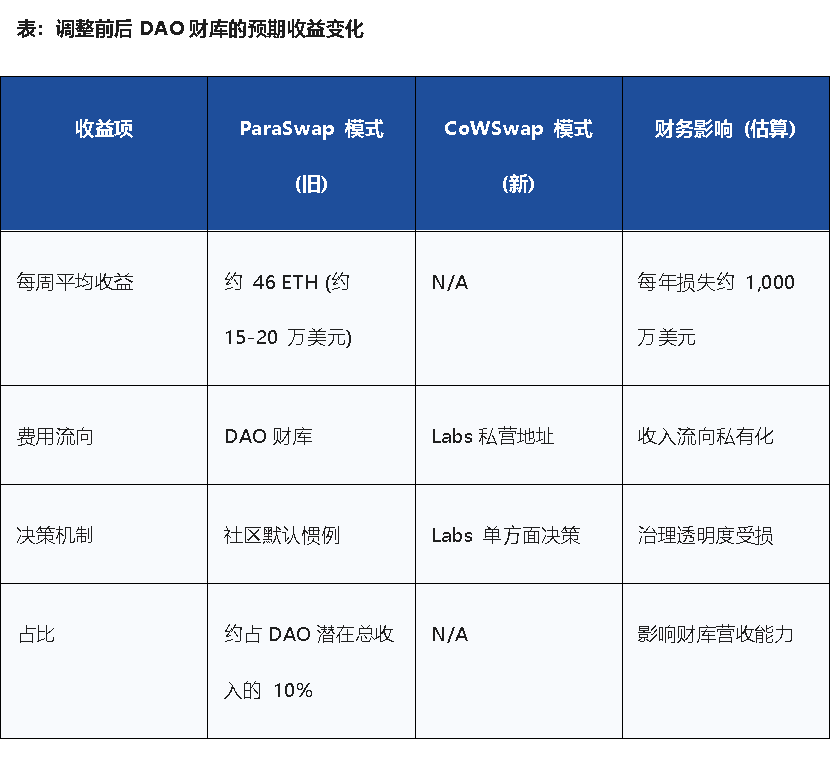
The disagreement is over who controls the value generated by Aave’s front end. Community figure Marc Zeller accused Labs of privately benefiting from a brand and technology supported by the DAO. Aave founder Stani Kulechov drew a distinction between the DAO-owned smart-contract protocol and app.aave.com, which Labs builds and maintains. He described earlier fee payments to the DAO as voluntary donations.
Ownership proposals, not settled rules
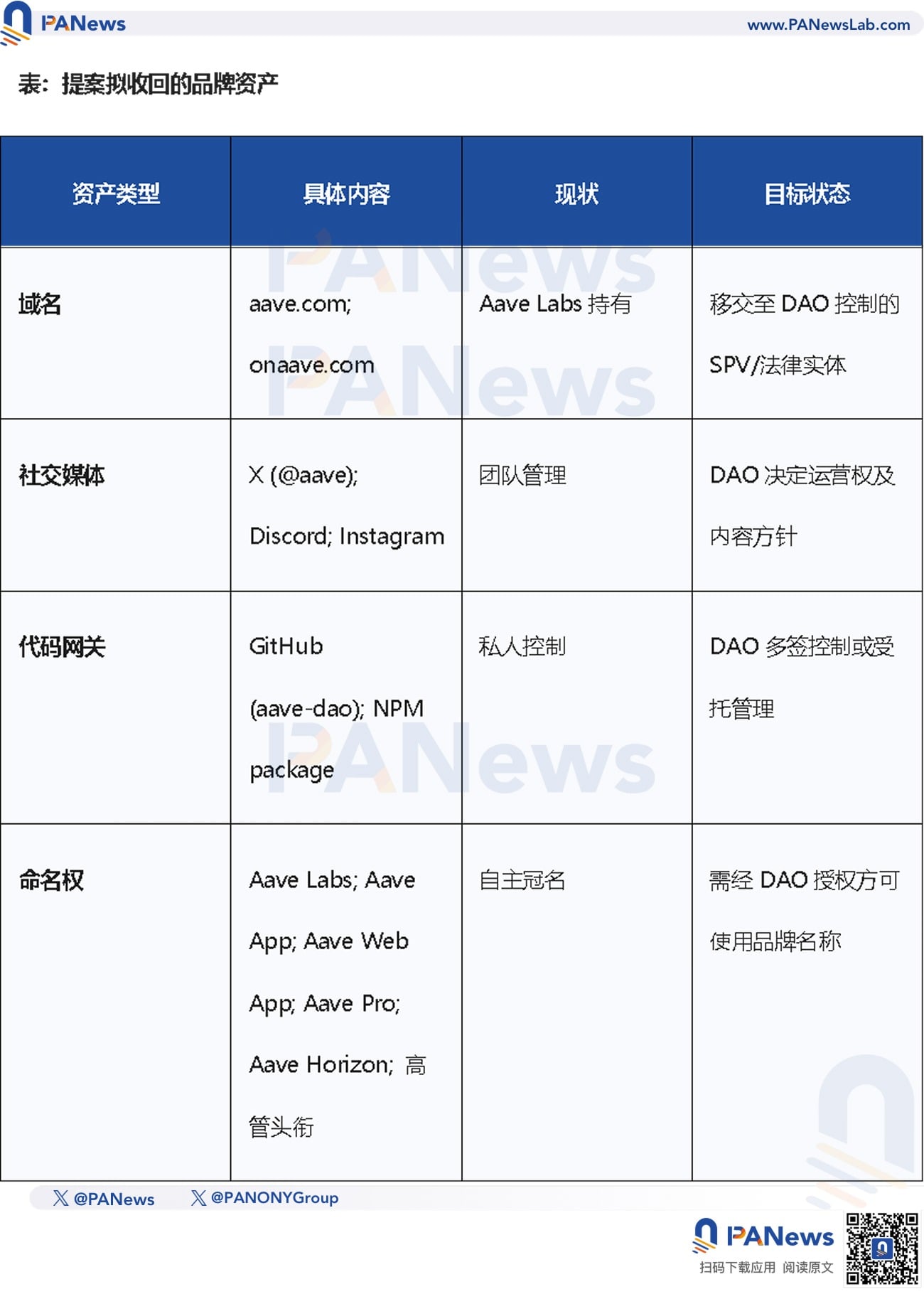
The dispute prompted competing ideas about control of Aave’s assets. On December 15, user tulipking proposed a plan calling for Labs to transfer code, intellectual property and trademarks to the DAO, hand over all its equity, and return historical front-end revenue. The proposal was set aside over procedural issues; those demands were not enacted.
Former Aave CTO Ernesto Boado offered a separate “Phase One—Ownership” proposal. It sought DAO control of assets including the aave.com domain, official social accounts and GitHub repositories, potentially through a DAO-controlled legal entity. Those changes also remained proposals at the time of the report.
The voting process became another flashpoint. Labs moved Boado’s proposal to a Snapshot vote without his consent, according to the report, drawing objections from community representatives. Commentator 0xTodd argued that the December 23–26 voting window overlapped with Christmas holidays and that the proposal needed more discussion. Kulechov responded that the vote complied with Aave’s governance framework. At the time of reporting, the article put support at just 3%; it did not establish a final outcome.
Price pressure is not a governance verdict
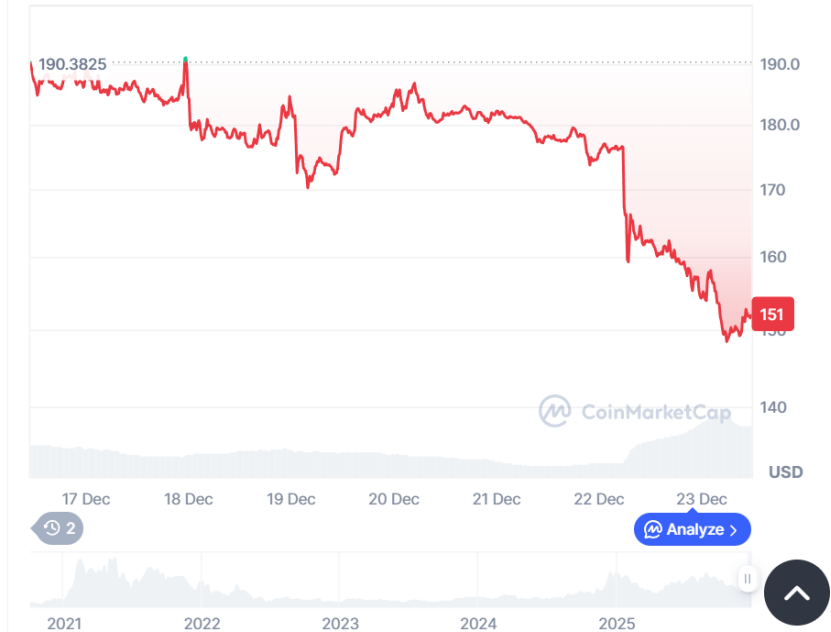
The report said AAVE had fallen more than 25% over two weeks while roughly $34 billion in assets on the protocol showed no obvious disruption. It also described a large holder selling about 230,000 AAVE on December 22 at roughly $165 per token, after accumulating the tokens at an average near $223—an estimated $13.45 million loss. The sale does not, by itself, establish why the holder exited.
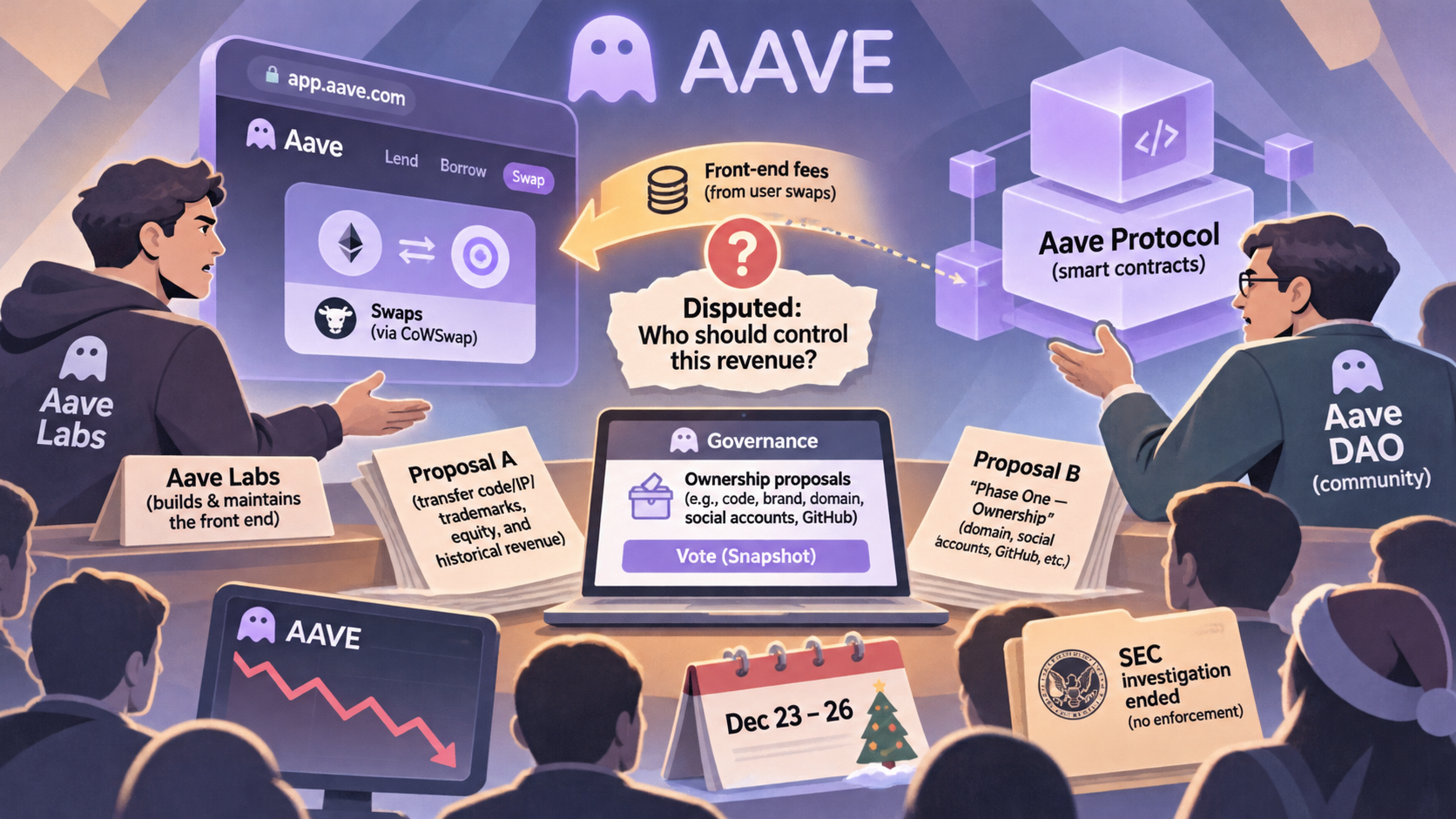
The report also said the US Securities and Exchange Commission ended a four-year investigation on December 20 without taking enforcement action against Aave. That outcome does not settle the dispute between Labs and the DAO.
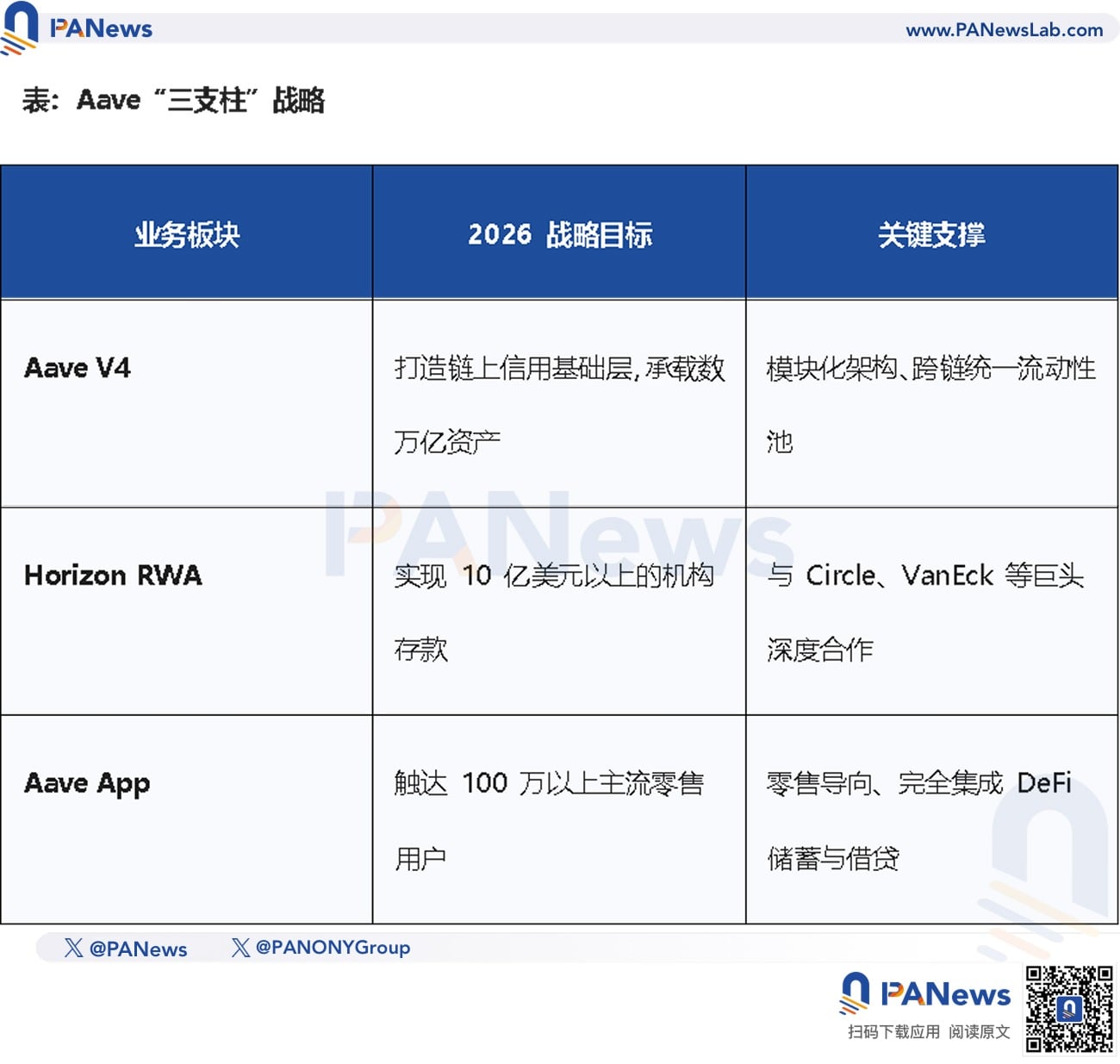
The unresolved question is narrower than the price chart: whether front-end revenue and control of the Aave brand belong to Labs, the DAO, or an arrangement both formally approve. As of December 23, the competing proposals had not resolved it.